- Home
- About Us
- Products
- Services
- Laser Cutting Job Work
- Shearing Machine Job Work
- CNC Bending Job Work
- MS & SS Sheet Metal Fabrication Work
- Enclosure Fabrication Work
- Machinery Part Fabrication Work
- Electrical Panel Fabrication
- Molding / Extrusion Machine Fabrication
- Copper Laser Cutting Service
- Mild Steel (MS) Laser Cutting Job Work
- Air Cool Transformer Body Fabrication
- Stainless Steel (SS) Laser Cutting Job Work
- Sheet Metal Elevation
- Brass Laser Cutting Job Work
- Aluminum Laser Cutting Job Work
- Updates
- Gallery
- Contact Us
MS Laser Cutting Service In Gandhinagar
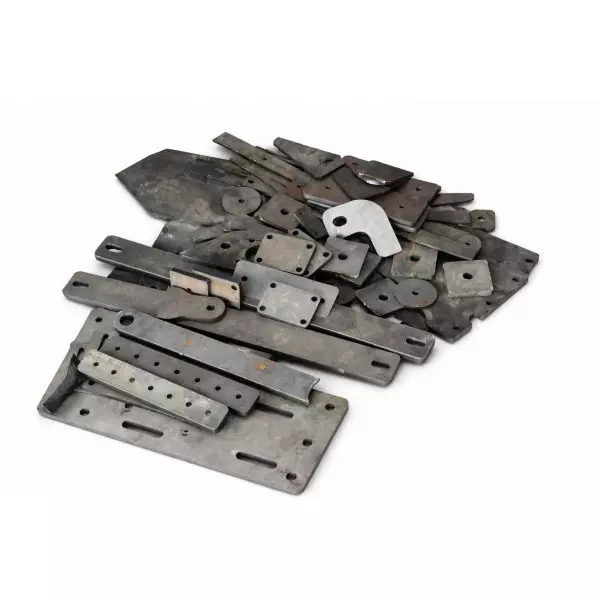
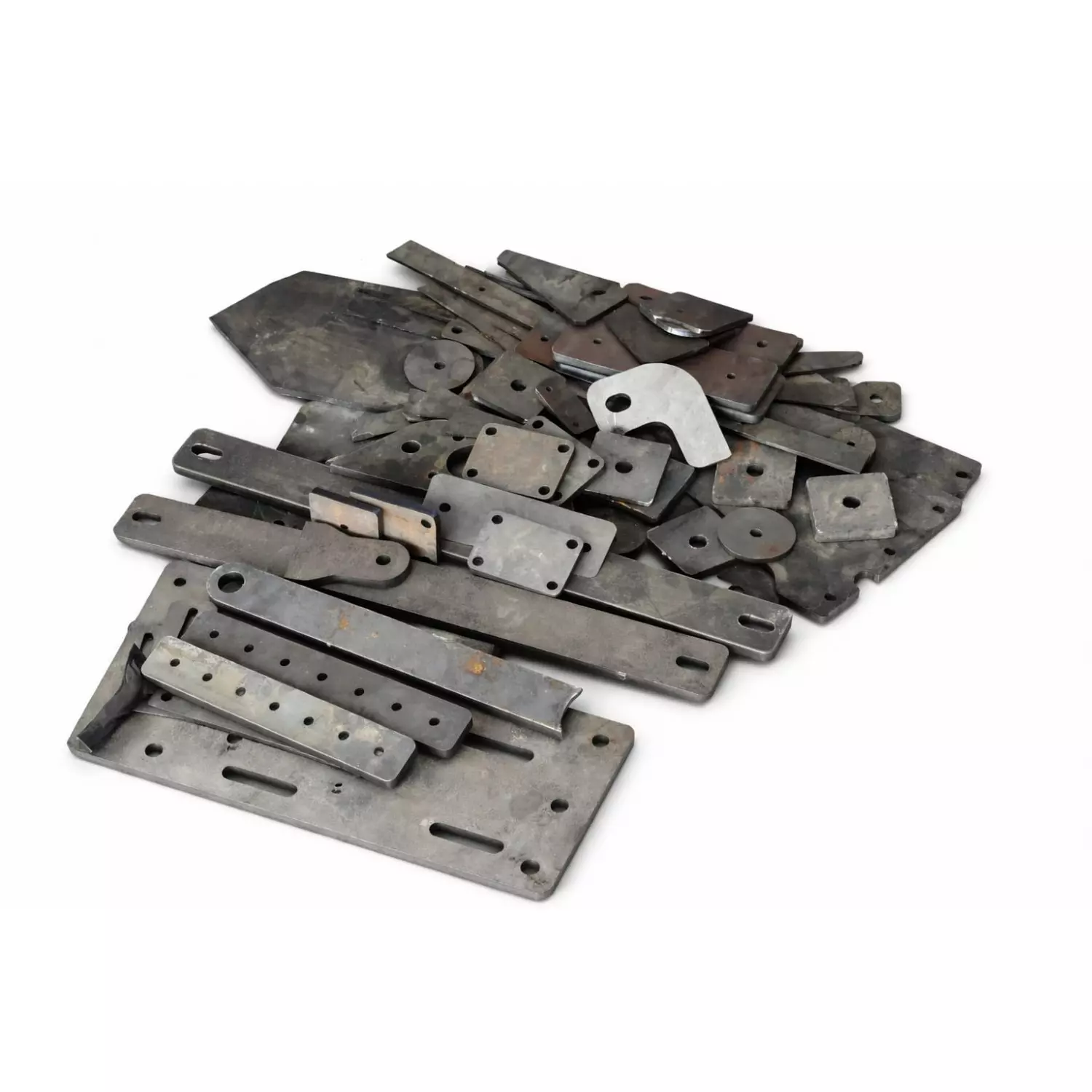
Details of Mild Steel (MS) Laser Cutting Job Work
Performance benchmarks set by MS laser cutting service in Gandhinagar make sure every cut meets the marks without losing speed or trust.
We keep clear records for each job to avoid mix-ups. Drawings come first, and we check them well before starting work. If something looks off, we flag it quickly to save time later. This way, production runs smooth with fewer hiccups.
Planning is key when handling batch and custom jobs alike. We map out machine use so one doesn't sit idle while another is jammed up. That's how we keep deadlines realistic and prevent overloading our team or tools.
Then there's the matter of quality checks at every stage—cutting, bending, assembly. We look for fit, size accuracy, and clean edges more than just a pretty finish because parts must work properly in machines after all.
Dust is the real enemy here. So machines get cleaned often to stop any grit spoiling precise cuts or slowing down production flow unexpectedly (like what happened last July during the rainy spell).
Production Documentation
Tracking progress through paperwork isn't just for show; it's part of how we catch mistakes early. Each sheet metal component goes through documented stages that list measurements taken and approvals given. That record helps when repeat orders come in or if clients ask about specs mid-project.
Keeping Business Moving
A solid setup keeps us running even when demand spikes suddenly from nearby industrial zones or unexpected rushes from clients across Gujarat. Scheduling buffers help handle urgent requests without dropping ongoing tasks. It means less scrambling and smoother deliveries.
Leadership Through Change
Taking charge means watching both tech upgrades and daily shop floor realities closely—knowing when to swap tools or tweak steps based on fresh feedback from operators or client notes on final product fitment issues (which do happen). The goal isn’t just meeting specs but adapting faster than competitors who stick only to routine.
Offered Service
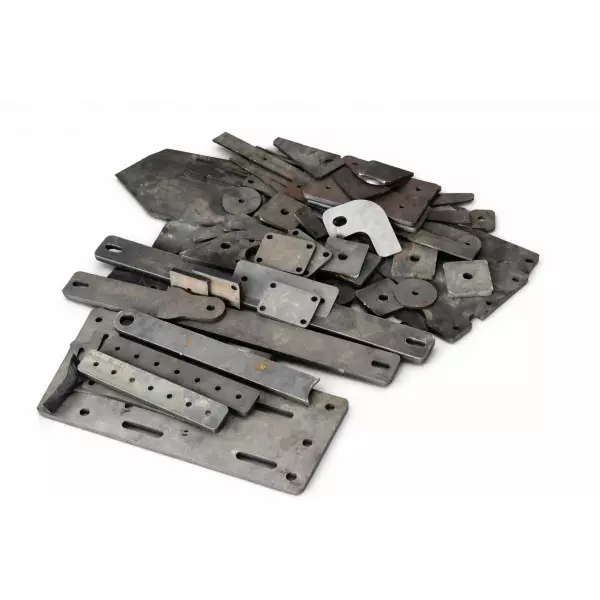
Mild Steel (MS) Laser Cutting Job Work
Mild Steel Laser Cutting Job Work Is Often Treated As A Simple First Step, But Small Errors Here Carry Forward Into Every Next Operation. If The Cut Edge Is Not Clean Or Dimensions Are Slightly Off, Bending Angles Change And Fabrication Alignment Goes Out. We Keep This Stage Controlled So Parts Don’t Create Problems Later.We Cut MS Sheets For Panels, Brackets, Machine Parts, And Structural Components In Different Thickness Ranges. Cutting Parameters Are Set Based On Sheet Thickness And J... Read moreMS Laser Cutting Service In Vadodara
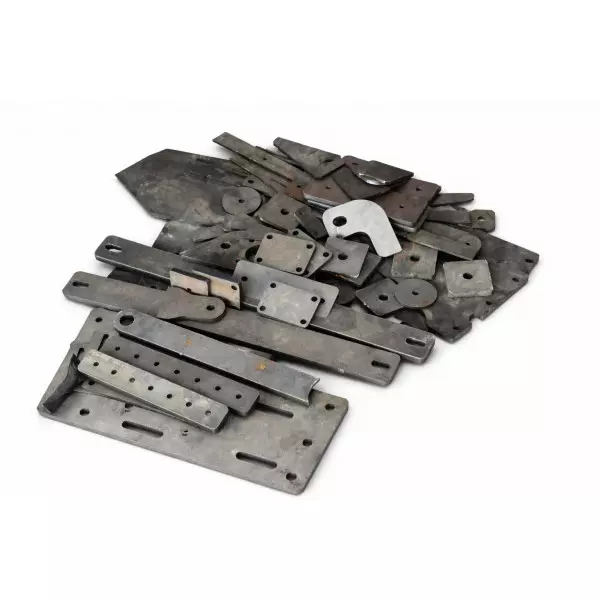
Finding Reliable MS Laser Cutting Service In Vadodara Can Be Tough, But We Guide You Through The Process With Clear Communication And Careful Attention To Detail For Smooth Results. We Handle Mild Steel Sheets Of Various Thicknesses With Precision And Manage Cutting Jobs As Per Drawings Or Sample Parts.Streamlined Job FlowOur Workflow Keeps Things Moving Without Piling Up Orders Beyond Capacity. We Check Each Drawing Carefully Before Starting Work To Avoid Mistakes That Cause Delays. During Cutt Continue
MS Laser Cutting Service In Rajkot
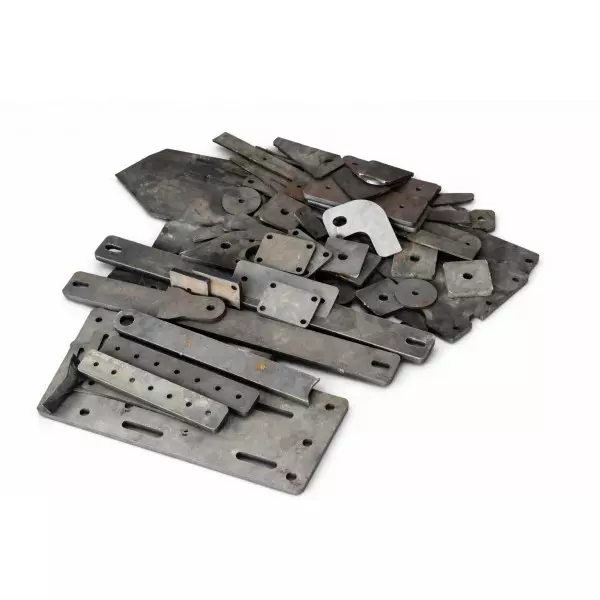
We Offer MS Laser Cutting Job Work In Rajkot, Keeping Communication Clear And Upfront So You Know Every Step. Our Approach Focuses On Reliable Service Without Over-promising Delivery Times Or Quality Levels. We Keep Track Of Production Loads To Avoid Delays And Maintain Steady Output.Using Advanced CNC Laser Machines, We Cut Mild Steel Parts Precisely Following Drawings And Instructions. The Technology Handles Flat Cuts, Slots, And Complex Shapes With Tight Tolerances. Regular Maintenance Of Our Continue
MS Laser Cutting Service In Kalol
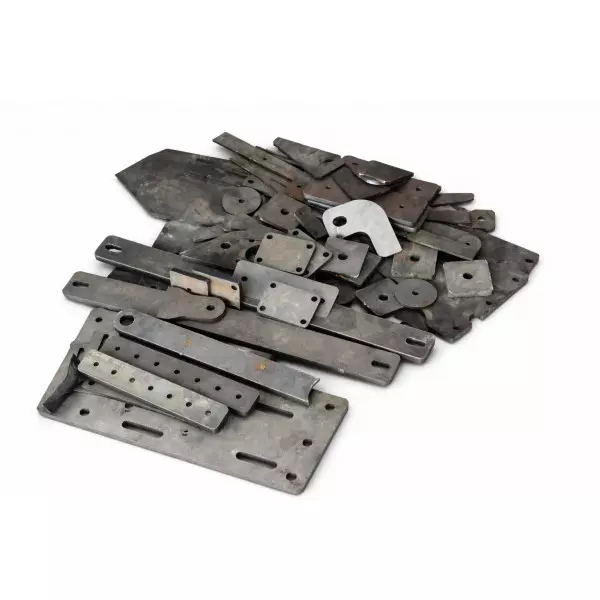
When You Choose Us For Your MS Laser Cutting Service In Kalol, You Benefit From Practical Skills Built Over Many Completed Assignments. We Handle Mild Steel Sheets With Care To Meet Exact Dimensions From Your Drawings And Samples. The Work Is Not Just About Cutting Shapes But Managing The Process So Parts Fit Well In Machinery Or Structures.Speed Matters But Accuracy Does Too. We Avoid Rushing Jobs That End Up Needing Rework Later. Every Sheet Passes Through CNC Laser Machines Maintained Regular Continue